


Sinus Pain Symptoms & Relief

SINUS
Sinus Pain Symptoms And Tips For Relief
Sinus headaches from sinus pressure and nasal congestion can make you feel uncomfortable, but easing these symptoms with non-drowsy solutions can help you get back to your day.

Is It a Sinus Headache?
Identify the type of headache you have to speed up relief.
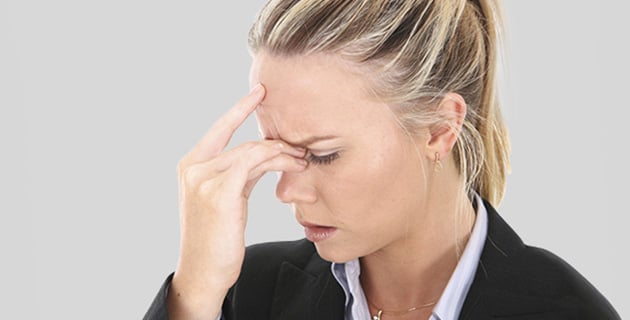
Preventing Sinus Headaches and Pain
Here are some simple strategies for what to do to limit (and avoid) sinus pain.
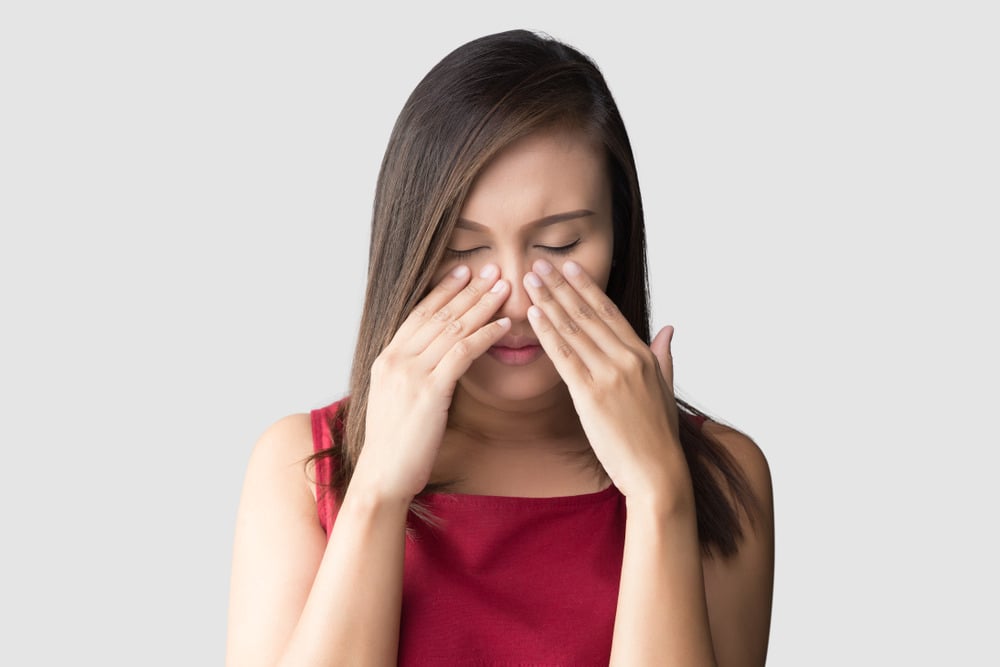
How to Relieve Sinus Pain
Your sinuses aren’t something you think much about—until they start causing pain or building up with pressure. Common sinus pain issues can feel like a throbbing headache caused by constant facial pressure. Read on to learn how to relieve sinus pressure!

Breathe a sigh of relief.
Learn how to avoid sinus headaches from sinus pain and congestion.

Pain relief you can count on.
See why the #1 doctor recommended brand of pain reliever may be right for you.