


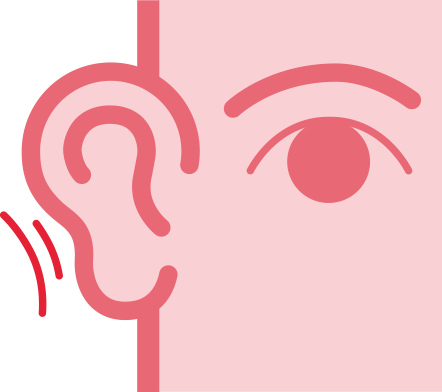
What is an ear infection?
Ear infections often start with a cold or other illness. This can lead to redness, swelling and fluid in your child’s middle ear (behind the eardrum). Ear infections can be very painful for your child and sometimes cause high fevers with temperatures up to 104°F.
What causes earaches in children?
A middle ear infection (otitis media, OM), one of the most common illnesses in children, is generally associated with fluid that builds up in the middle ear when a child has a common cold or throat infection. A middle ear infection typically follows a cold or accompanies existing allergies.
Another reason for ear pain is an infection that affects the ear canal or the part of the ear that leads to the outside (otitis external, OE). Commonly known as “swimmer’s ear”, this condition is typically brought on by excess moisture, especially if the water is polluted or chlorinated. Occasionally, ear pain can be the result of a ruptured eardrum or earwax build-up.
Signs to look for
If your child has a painful ear infection, he or she may have a hard time eating or sleeping. Babies may rub their ears, have trouble sleeping or cry more than usual. If you think your child has ear pain, or you see fluid coming out of the ear, call your doctor for an appointment.


If your baby tends to get a lot of ear infections, feed him or her in a relatively upright position to prevent milk entering the eustachian tubes.

Keep your child away from cigarette smoke.
Protect your child from cold and flu viruses. Teach them to wash their hands often.
Stay up to date on your child’s shots. Studies show that children who are vaccinated have fewer ear infections. An annual flu vaccine may also help.
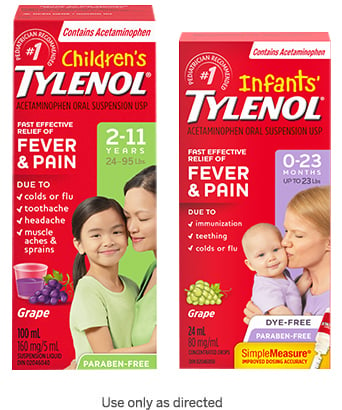
One of the most common medications used to relieve ear pain is acetaminophen, including Infants’ or Children’s TYLENOL®. As with any medicine, ask your doctor or pediatrician which pain reliever is right for your child.
Here are some other tips that can help ease your child's ear pain and possibly promote healing:
- Apply warmth to your child's ears using a warm water bottle or warm cloth.
- Keep your child's ears dry.
- Make sure your child gets plenty of rest.
- Elevate your child’s head to reduce the pain.
- Give him or her plenty of clear liquids, especially if there is a fever.
How soon can you use Infants’ or Children’s TYLENOL®?
You can administer an over-the-counter pain reliever† – such as Infants’ or Children’s TYLENOL® – when your child begins to experience ear pain. It’s important to give it before bedtime to help them rest as lying down can hurt their little ears.
When will your child feel better?
Even though ear infections can be tough on both parents and kids, most will get better on their own in a few days. Just make sure to give your little one extra attention to help soothe their pain.
†To be sure any product is right for your child, including Infants' or Children's TYLENOL® products, always read and follow the labelled directions for use.


Children's TYLENOL® Liquid
A fever reducer and pain reliever in kid-friendly flavors.

How to be a fever pro.
Get an accurate temperature reading and calm a feverish child.