



FEVERS
Fever Comfort and Care Tips For Your Child
We know it’s stressful when your child’s temperature rises. Here are some tips to help everyone keep a cool head.

How to Measure a Fever
Learn helpful tips on how to get an accurate temperature reading on your feverish child.

Fever Symptoms & Warning Signs
Most times, a fever is just your child’s way of fighting off an infection, but when combined with these five symptoms, it can be more serious.
What to do if my child has a fever on a trip?
Being on the go with children means you may need to prepare for all kinds of situations. You could be on a family trip out of town or driving somewhere with your child, and your child starts to experience fever symptoms or pain. What should you do?

When is it Time to Call the Doctor?
It’s tricky to know when to call the pediatrician, but these guidelines might help. When in doubt, call your doctor.
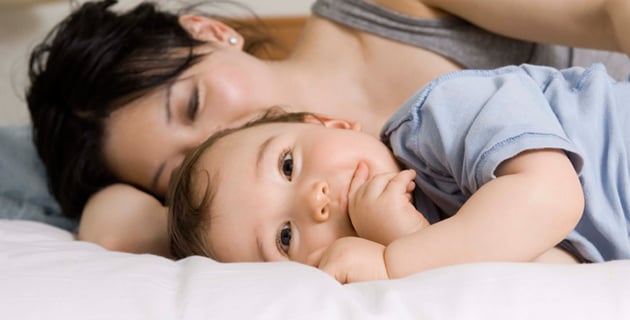
How to Comfort Your Child with a Fever
Help keep your little love cool and comfortable with easy techniques when a fever hits.

Gentle on little tummies.
Relieve pain and reduce your little one's fever.

Keep medicine out of reach.
Get advice on how to properly use and store medications.